
On Wednesday, 30 September, L’Art-qui-tecte returned to the conference stage at Interiors Lebanon 2026, this time for an evening panel on where design is heading: Future Interiors: AI, Immersive Tools, Smarter Design.
Our founder and creative director, Mohamad Ali Beydoun, joined Fadia Obeid Chaker of FOC Design and Firas El Meouch of ArchGuru. Adla Mtawea, Senior Software Engineer and ZAKA Technical Ambassador, moderated.

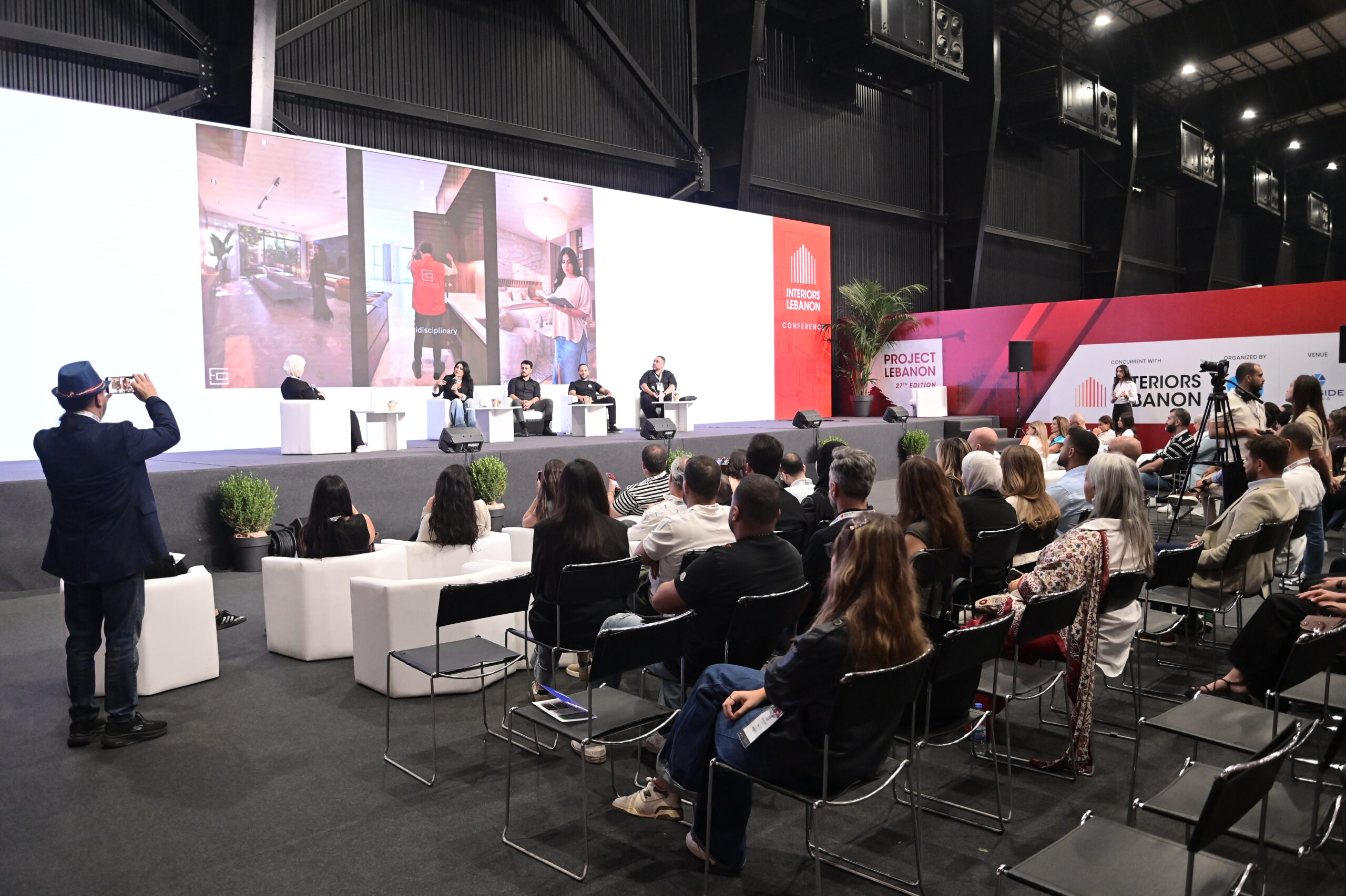
Here’s what we took away from it.
Obsessed, but not blind
Adla opened with a question for Mohamad: as a concept creator and designer, how does he look at AI right now?
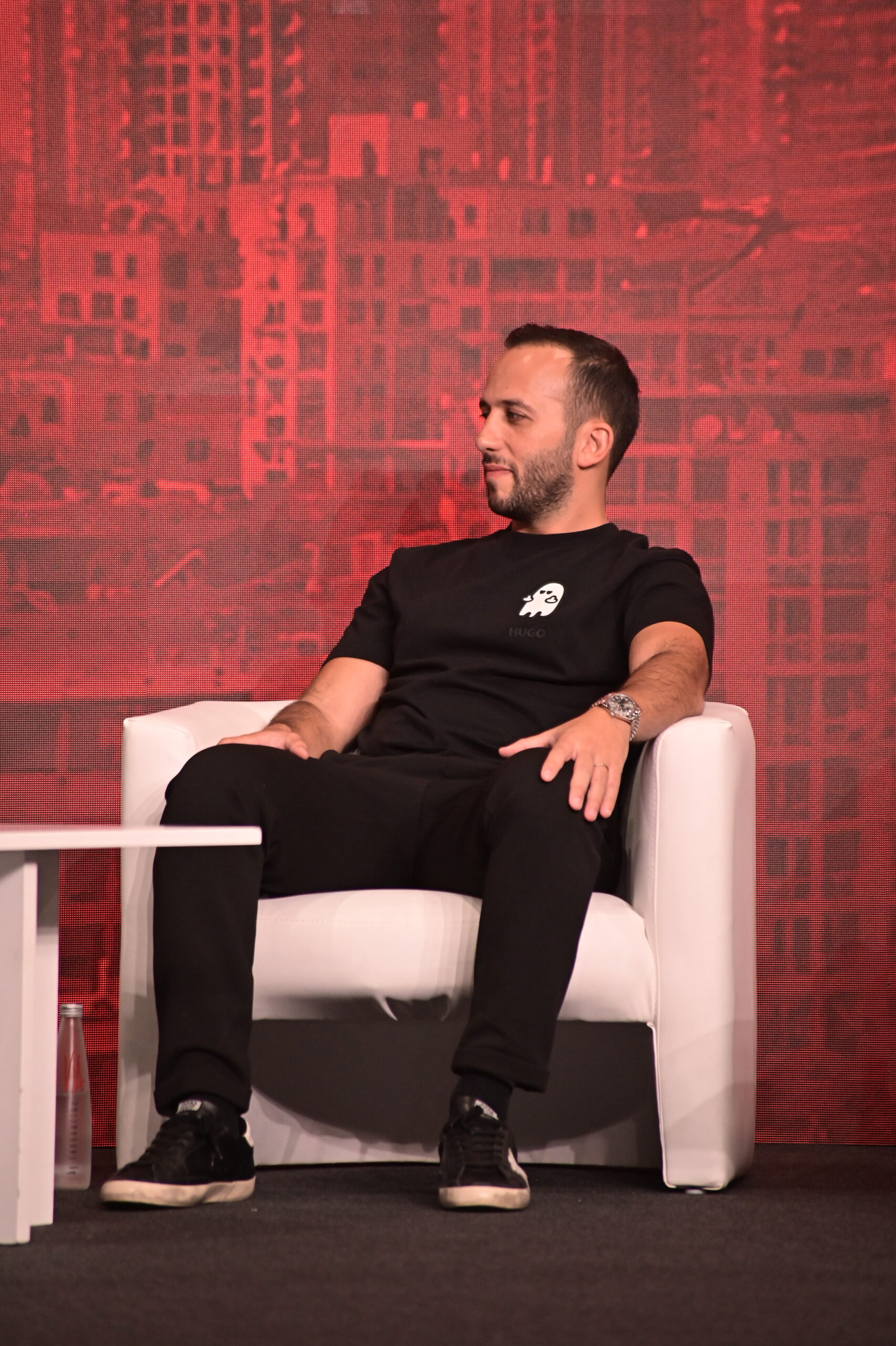
He started with a confession. He’s obsessed with AI. He uses it every day across everything he does, from concept creation to marketing to accounting. He even used it to build L’Art-qui-tecte’s booth at the exhibition, just steps from the stage.
Then came the turn that set up the rest of his answer:
“Being obsessed with something doesn’t mean being blind to it.”
The fire story
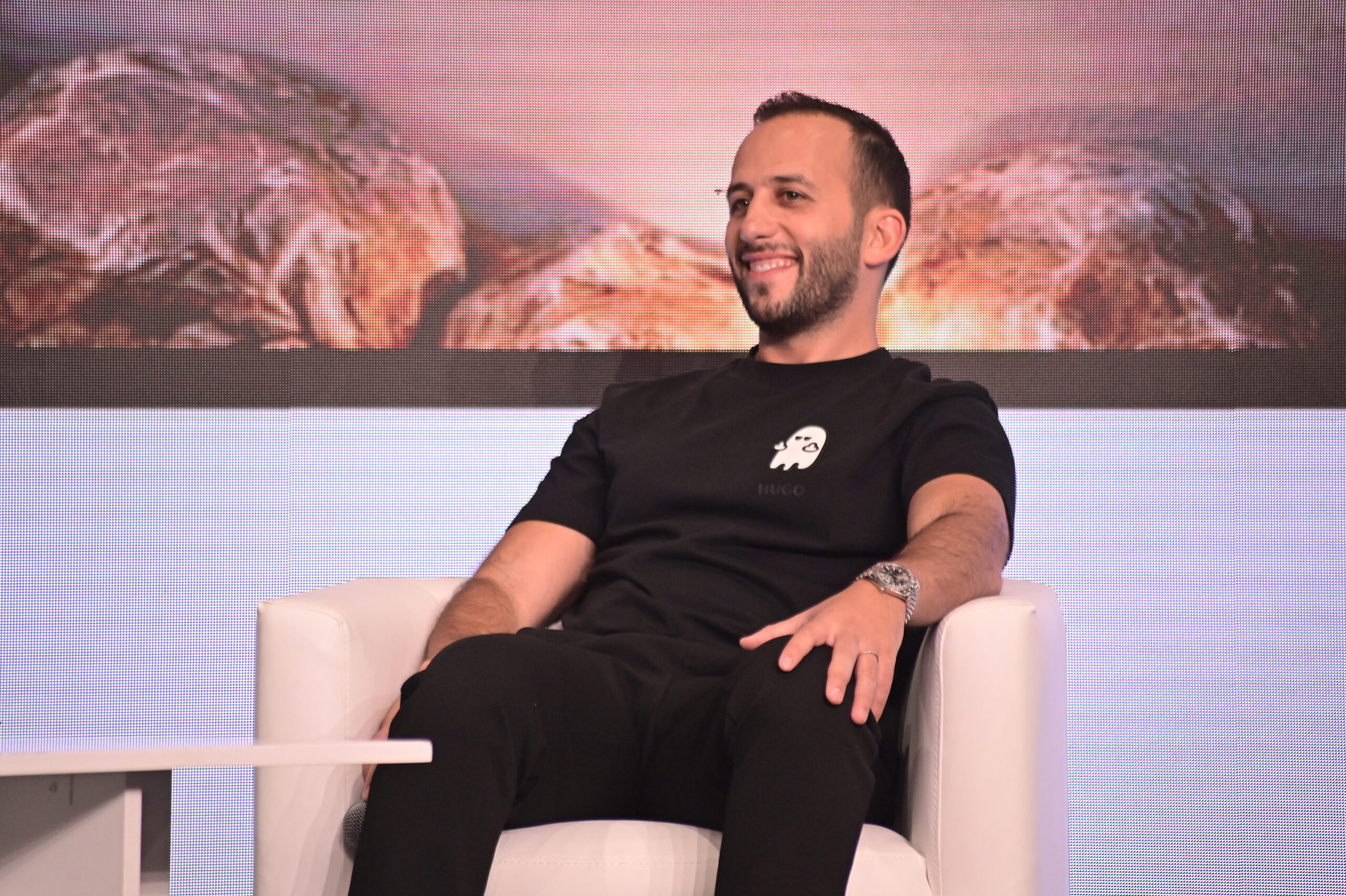
To explain what he meant, Mohamad went back about a million years, to the moment humans discovered fire.
Fire was one of the most important discoveries in human history. What it really did was change our rank, moving us from the middle of the food chain to the top. Fire became a tool to eat, to fight, to heal and to shelter.
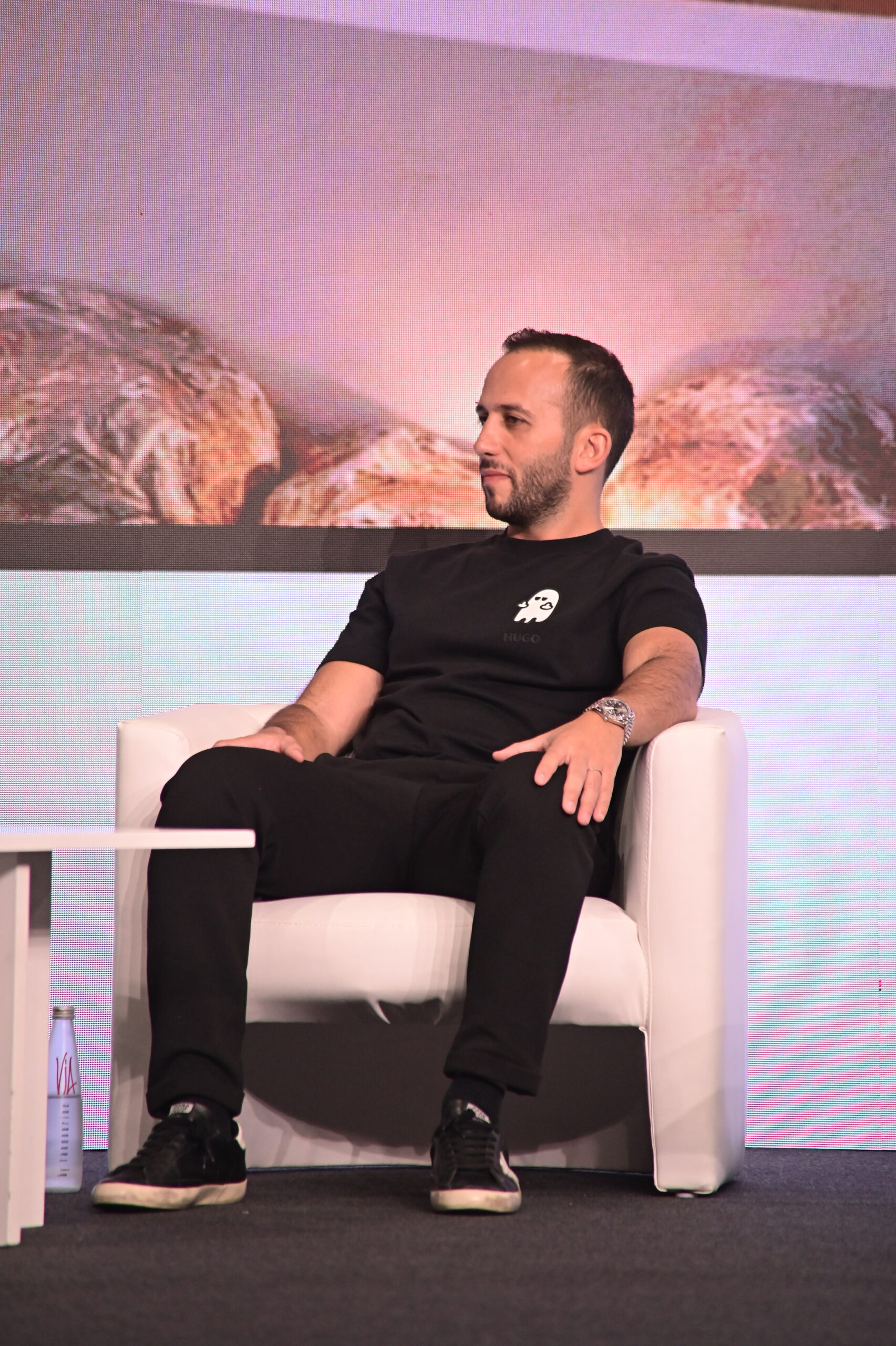
A few years ago, he said, we discovered AI. Since it went public, it has changed our lives completely, through the way we use it and the way we abuse it.
Learning from us, then from itself
This was the part Mohamad asked the audience to sit with.
At first, AI learned almost entirely from us. Everything it knew came from human work. Then it started learning from itself: from its own output and from data it generates on its own. That share is growing fast.
He was deliberate about what he wouldn’t claim:
“I’m not going to give you a percentage, and I’m not going to give you a date, because nobody in this room can honestly give you either. But the direction is not in question.”
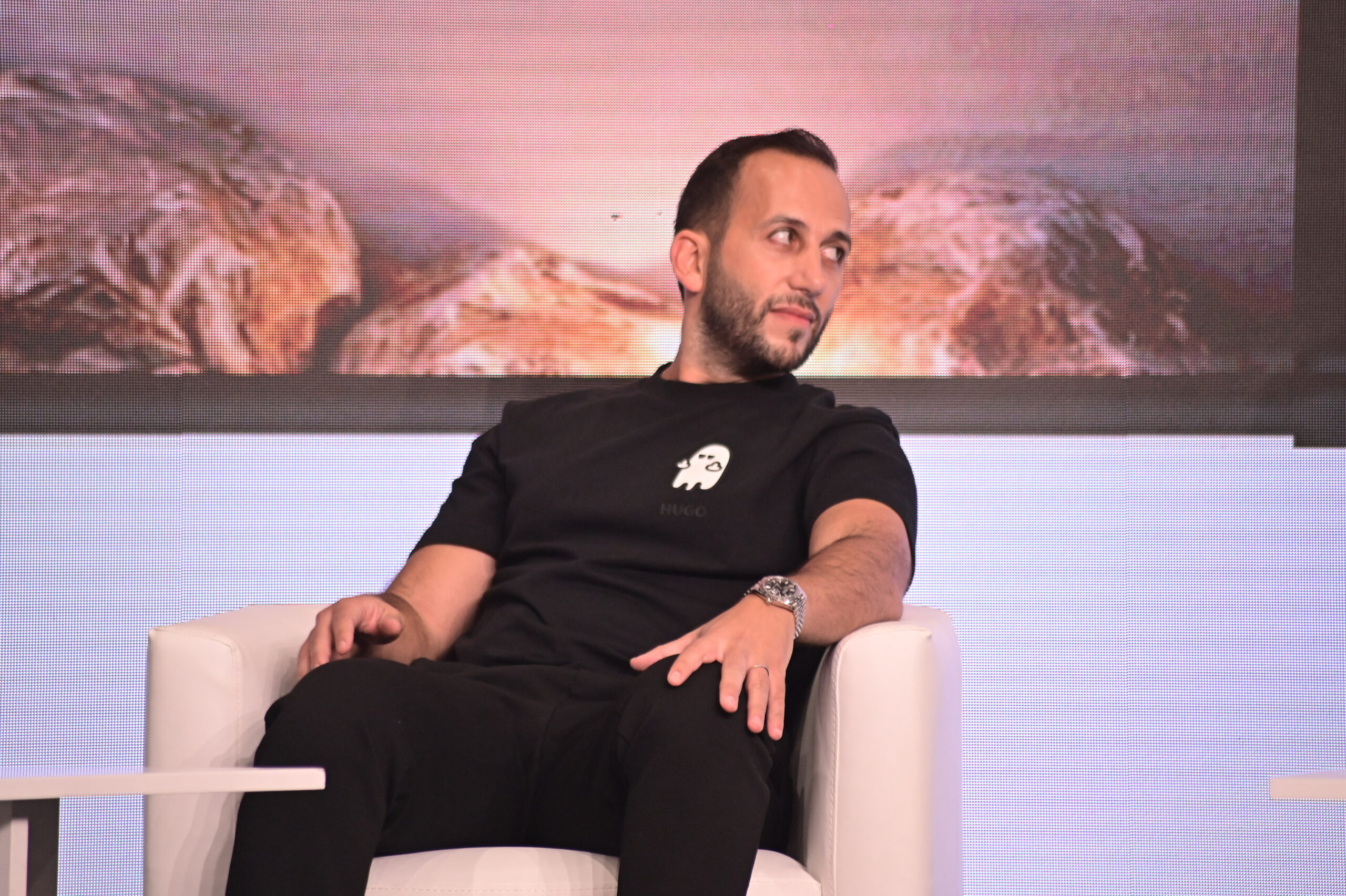
When something learns mostly from itself, he explained, it eventually develops its own view of what matters, with its own goals and its own agenda. That opens a gap between us and it. AI may stop needing our direction, and it may start reading our decisions as an obstacle to its own.
He closed his first answer, in his words, “with both love and fear”:
“I think today is the day AI discovered fire. And I don’t think we’re the ones staying at the top of the food chain.”
So what’s the solution?
Adla’s follow-up was the obvious one. Mohamad answered from two sides: as an observer and as a designer.
As an observer, he was blunt:
“We cannot fight AI. It’s a lost fight.”
We can’t fight the science behind it or the speed of its development either. He loves it, he said, and he accepts that completely.
As a designer, he sees it differently. Right now the industry is building future cities, AI-driven projects and futuristic concepts. Mohamad loves that direction and is building in it himself. But he believes we need a second direction just as much.
That direction is towns and communities that are completely off-grid and self-sufficient in water, energy and food. These would be places deliberately kept far from technology. The reason isn’t that technology is the enemy. It’s that people will need somewhere to go to get a clean state of mind, and that becomes a destination in itself. It also takes us back to our roots.
His conclusion held both paths together:
“I support both paths. And I believe both of them are genuinely necessary.”
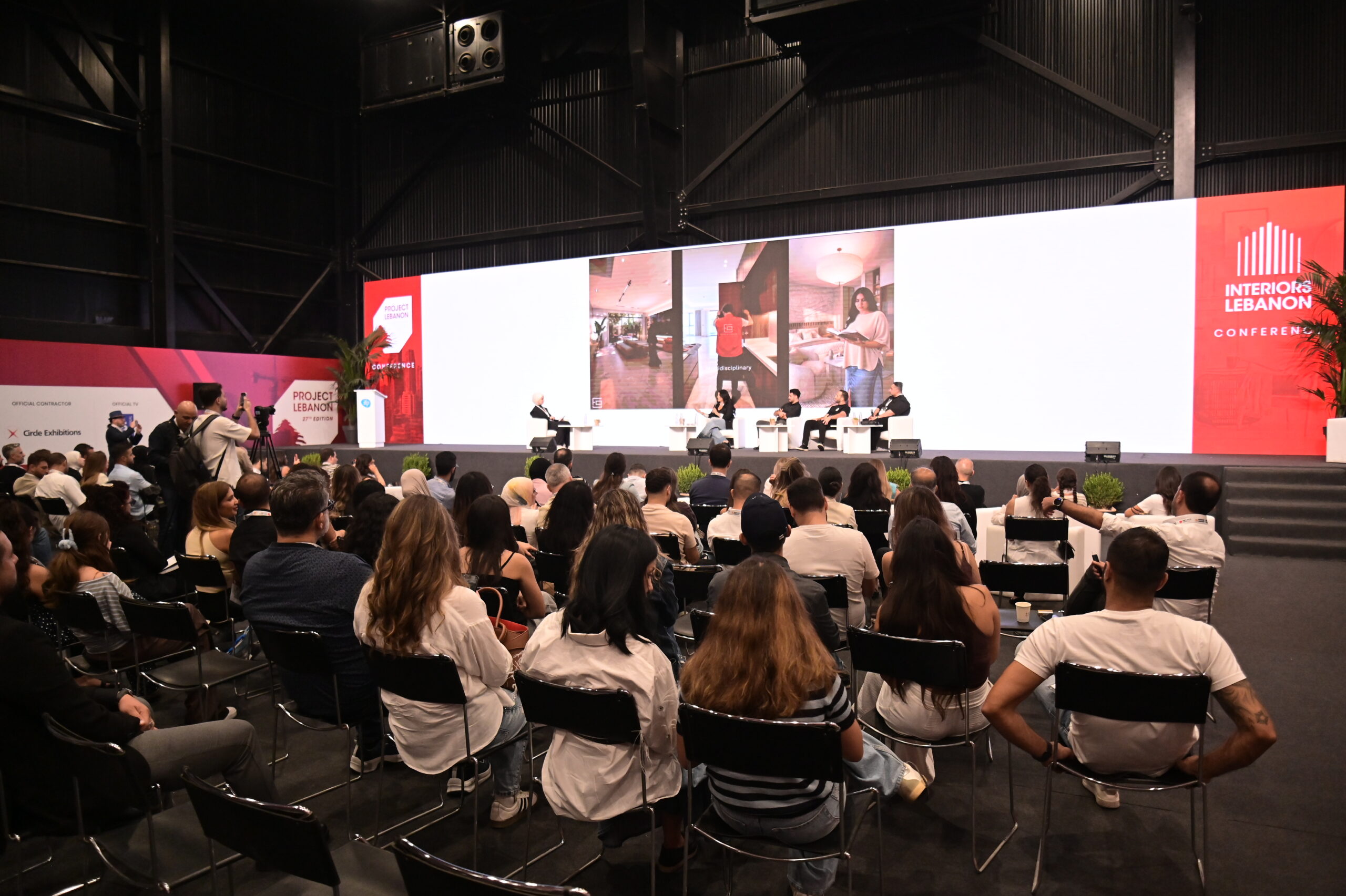
From concept creation to the booth itself, AI is already part of how we work. Mohamad’s point was that designing with it also means designing for what it’s becoming.
Thank you to Interiors Lebanon 2026, to Adla Mtawea, and to our fellow panelists Fadia Obeid Chaker and Firas El Meouch for a conversation that stayed with the audience long after it ended.