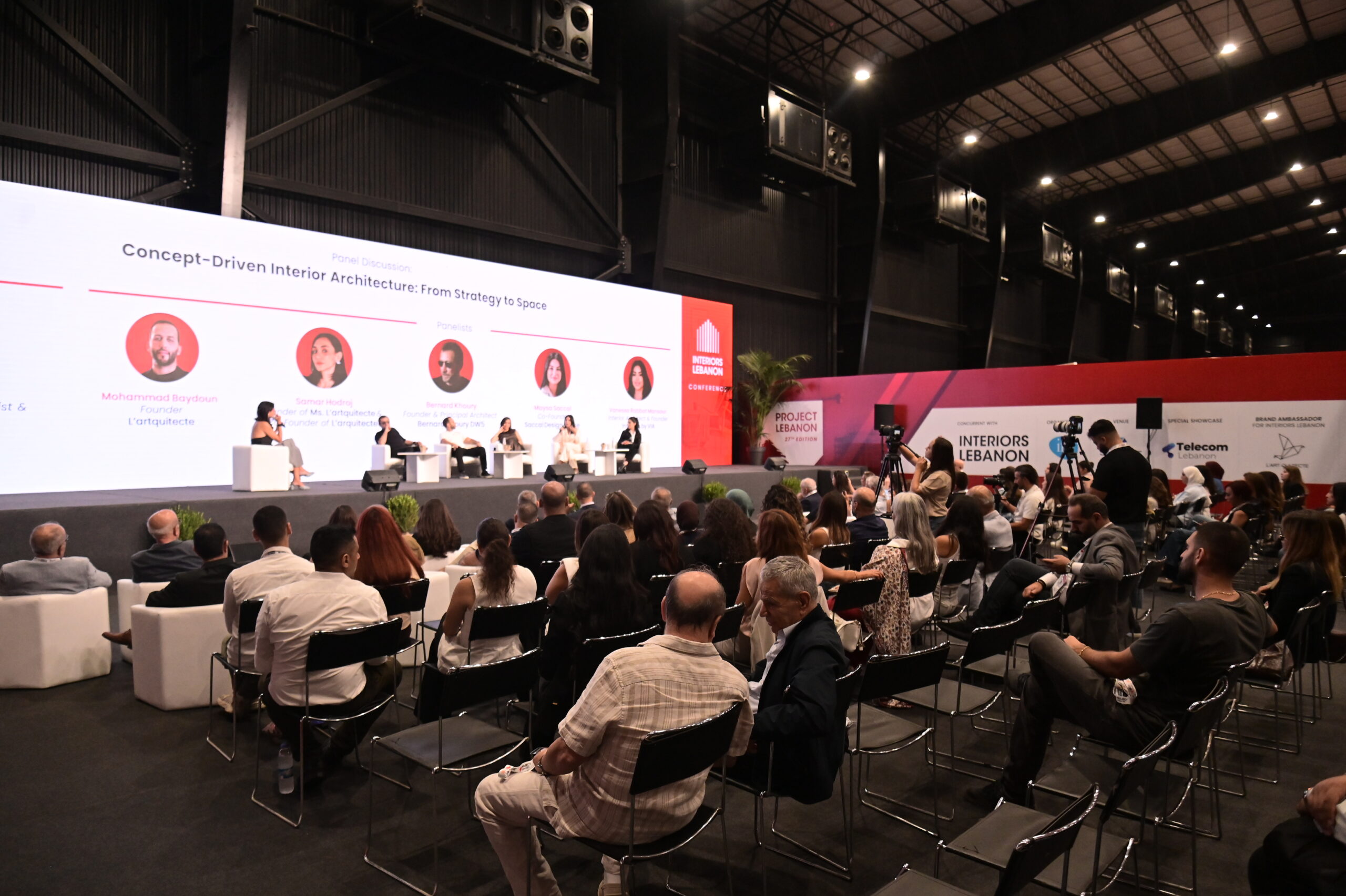
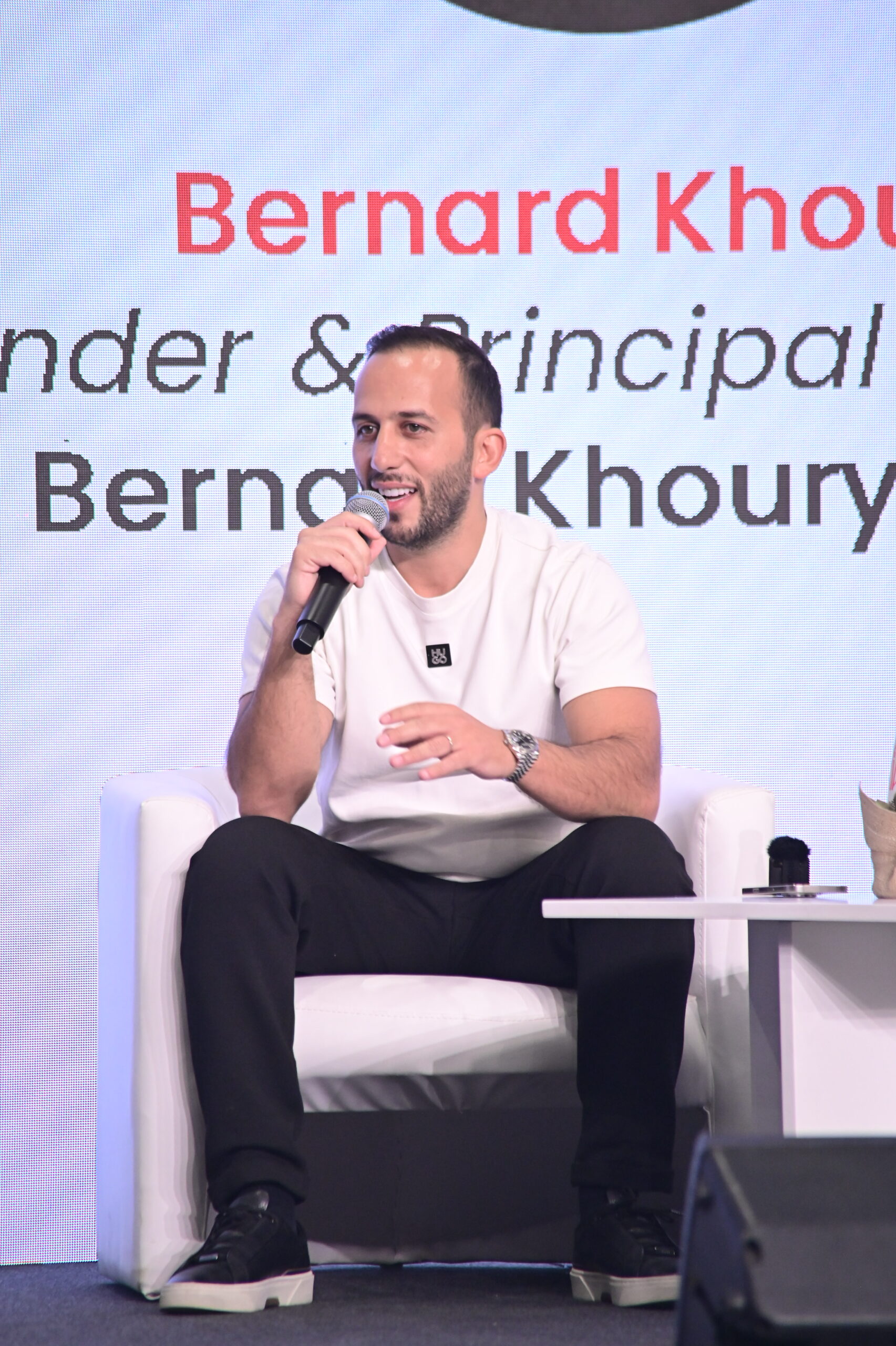
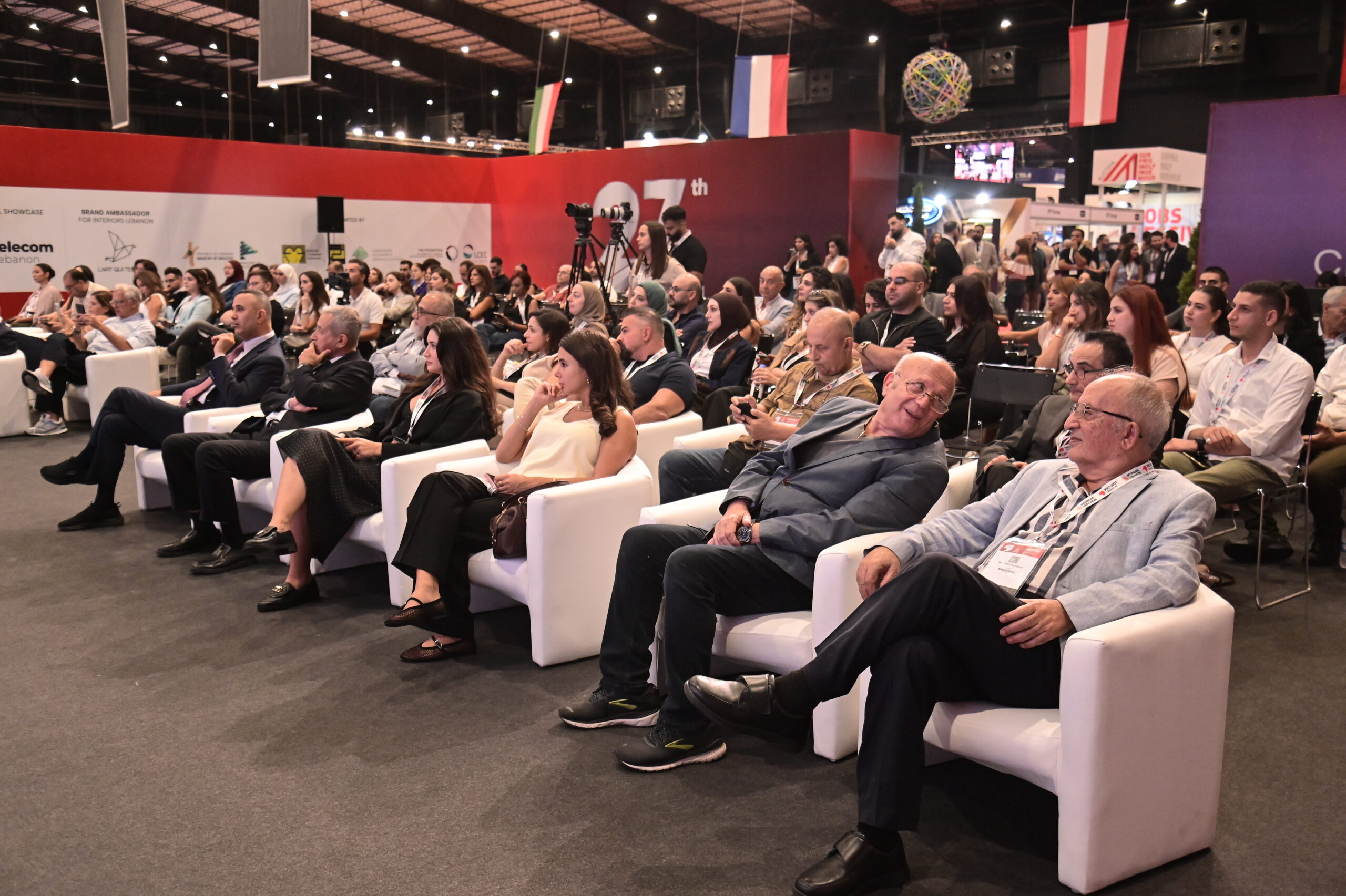
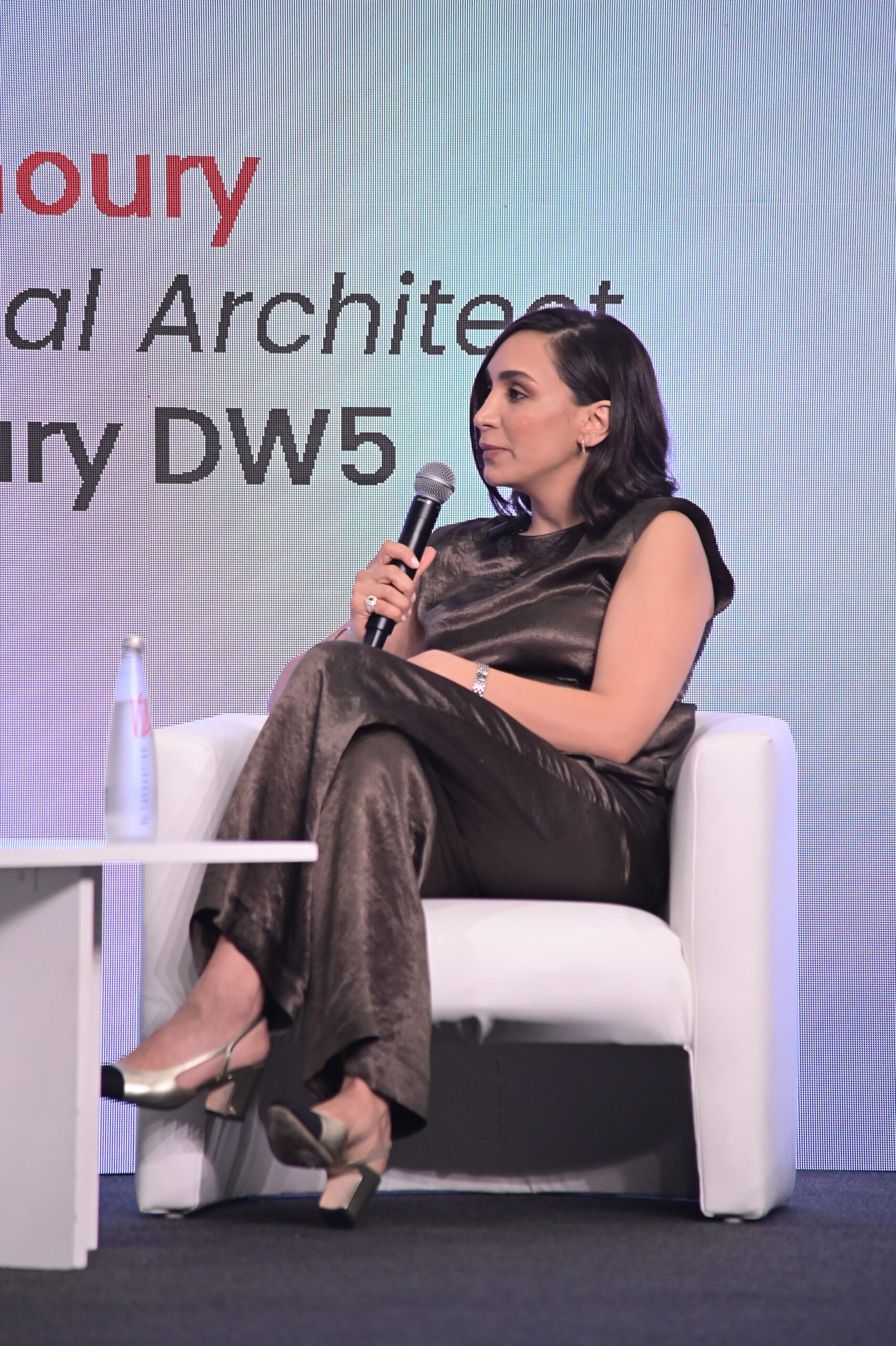
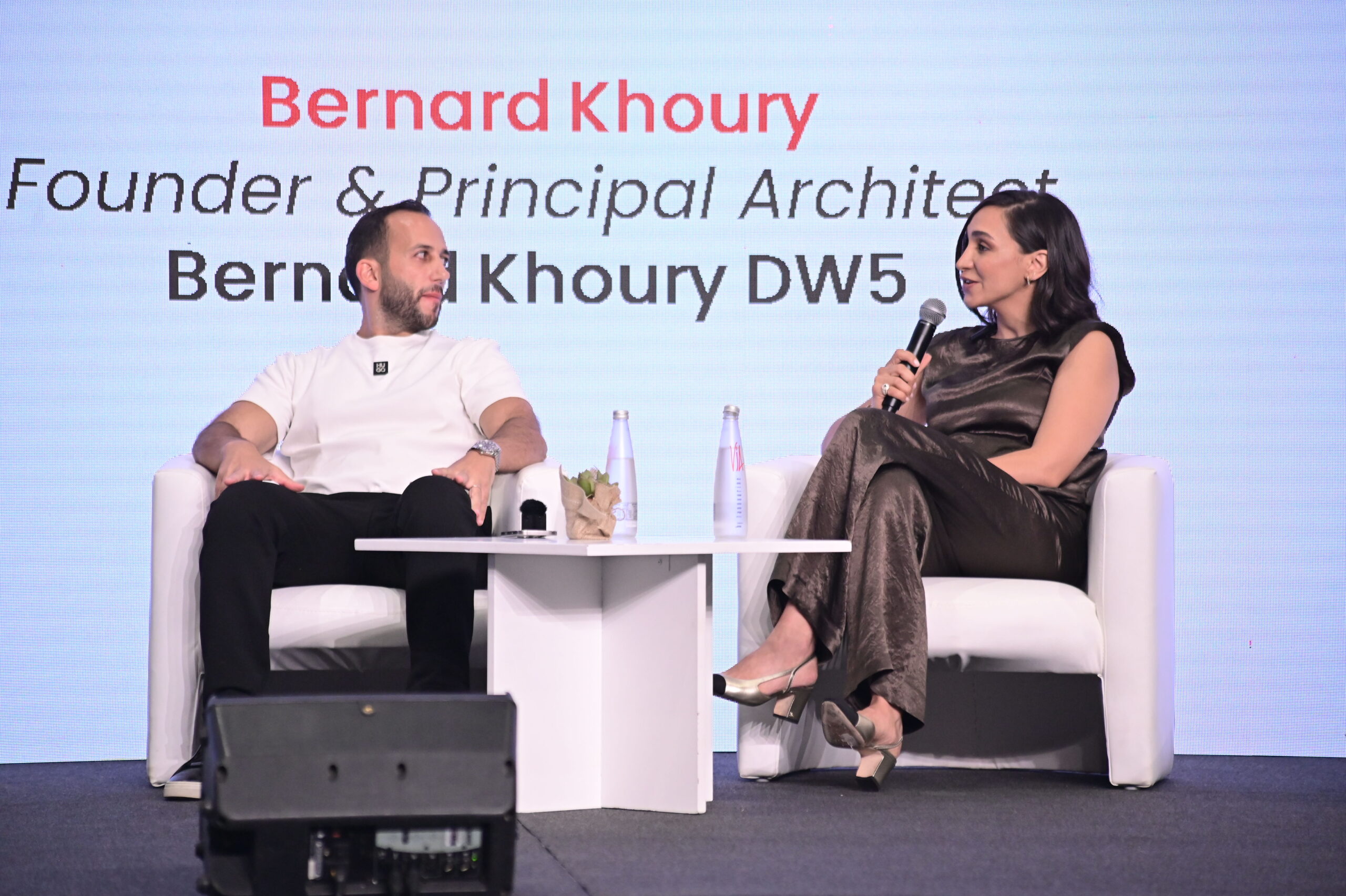
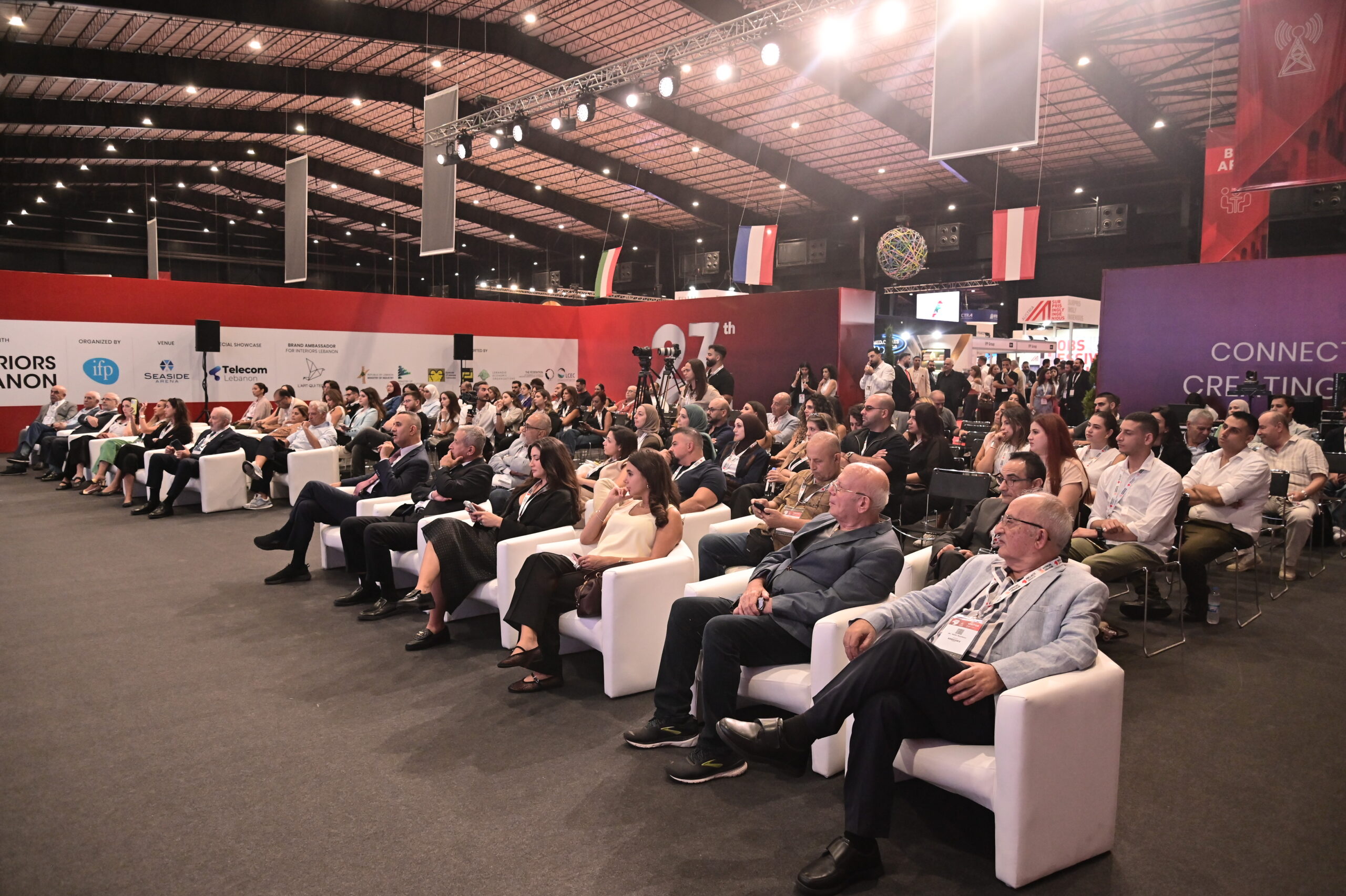
As the official Brand Ambassador of Interiors Lebanon 2026, L’Art-qui-tecte took part in more than the exhibition floor this year. On Wednesday, 30 September, our founders and creative directors, Mohamad Ali Beydoun and Samar Hodroj, joined the opening panel at Seaside Arena on the Beirut Waterfront: Concept-Driven Architecture: From Strategy to Space.
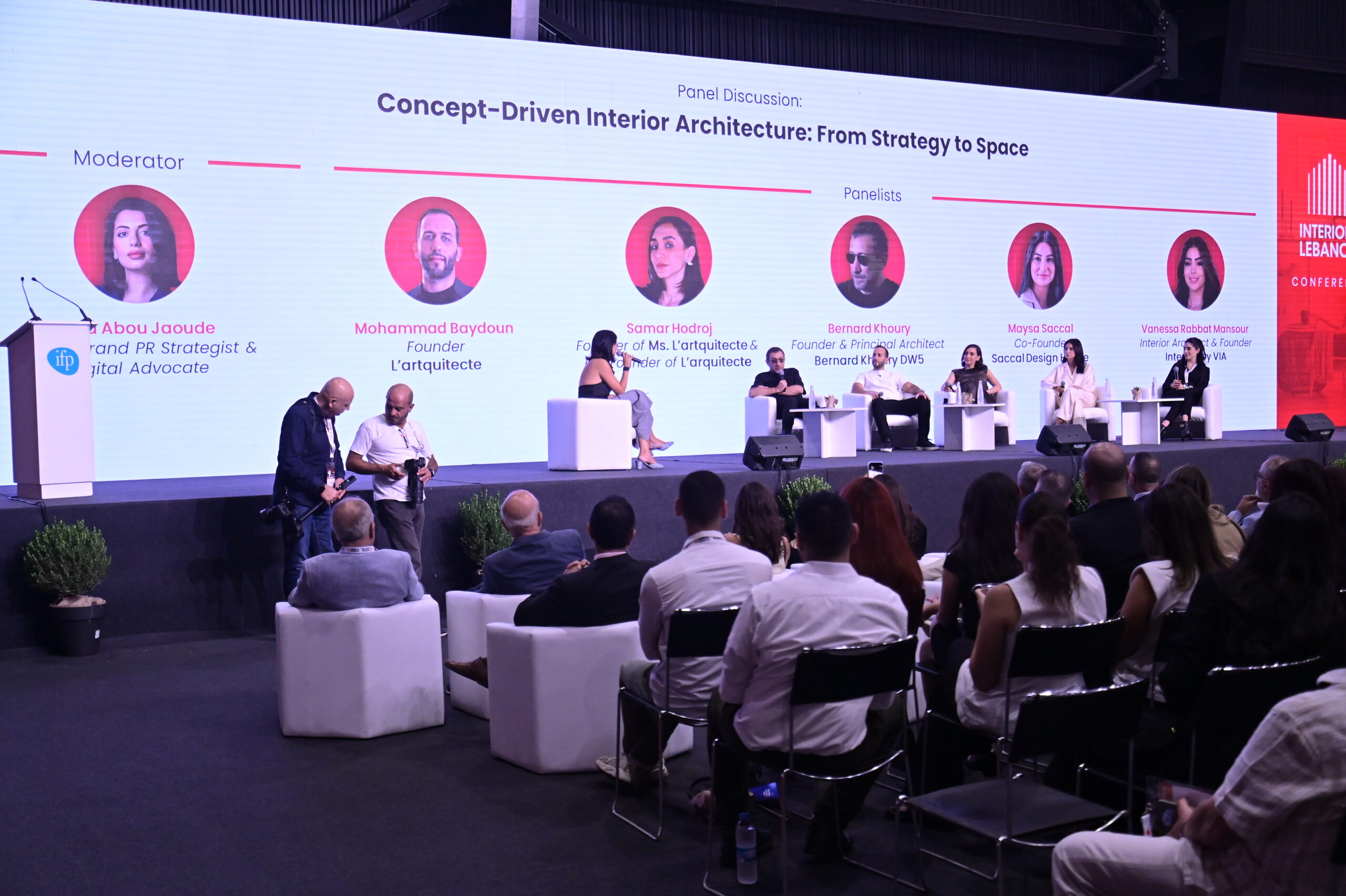
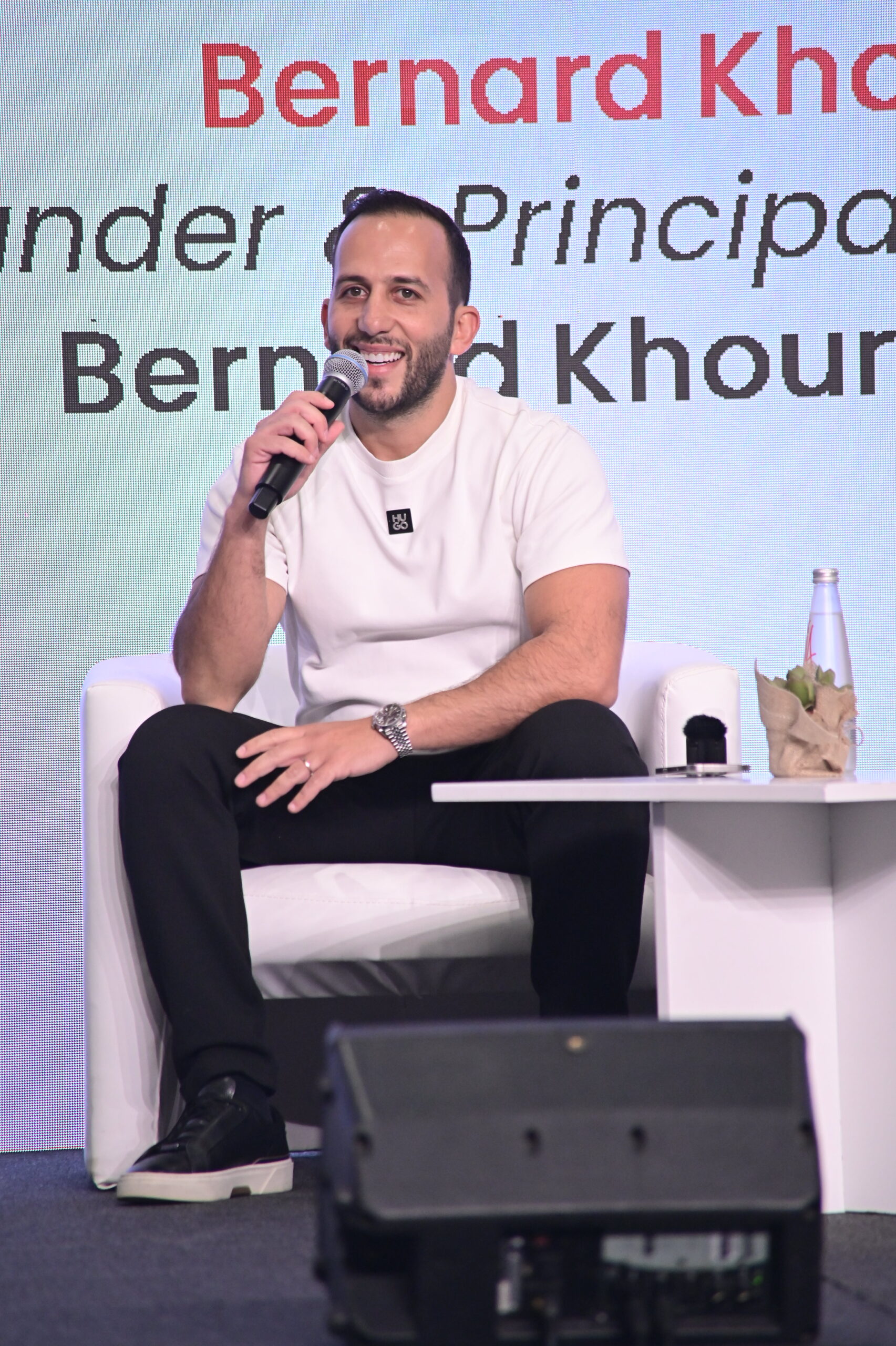
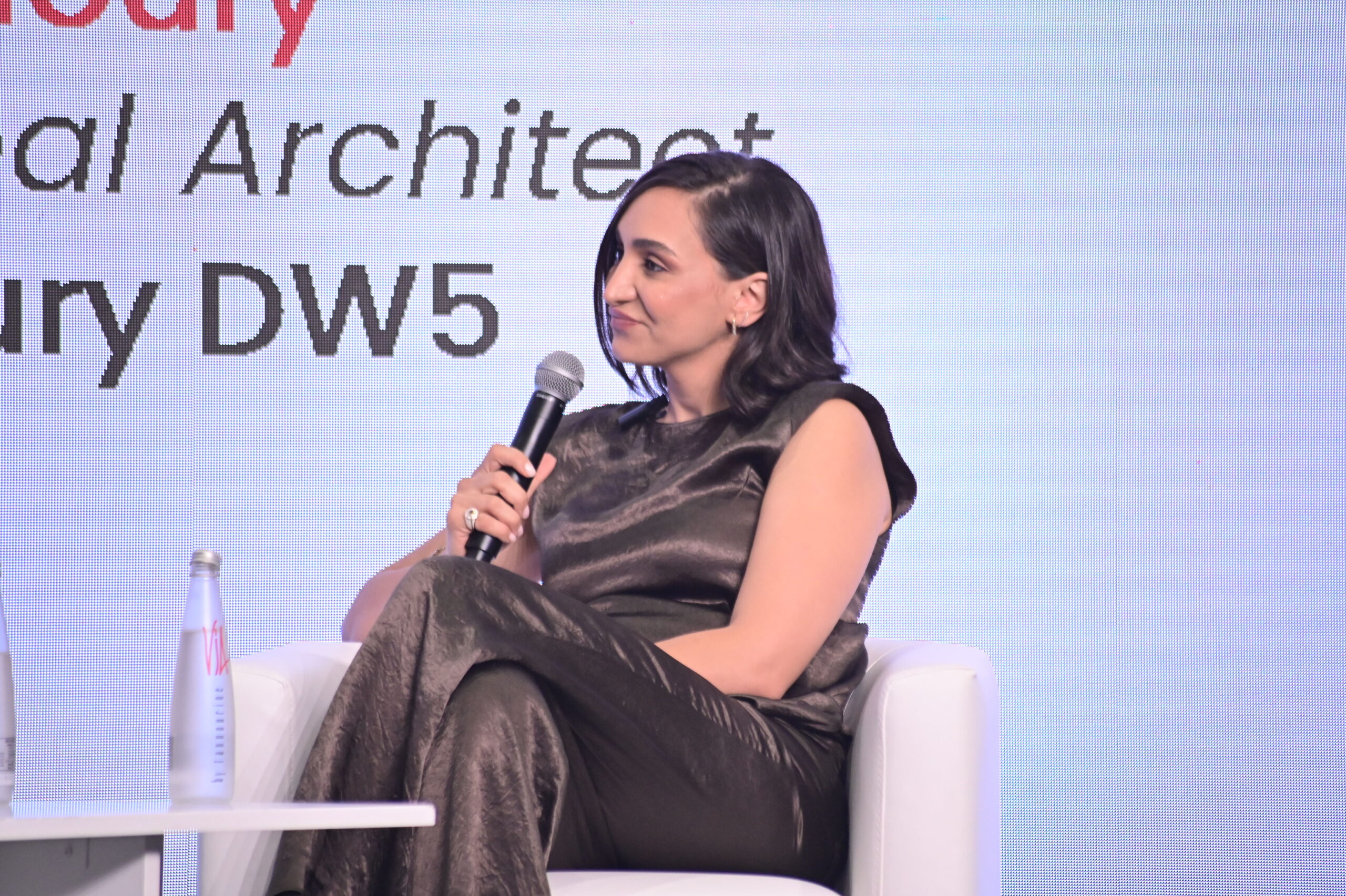
Mira Abou Jaoude moderated. Mohamad and Samar sat alongside Bernard Khoury, Maysa Saccal and Vanessa Rabbat Mansour for a talk about how a concept moves from strategy into a built space that works, both creatively and commercially.
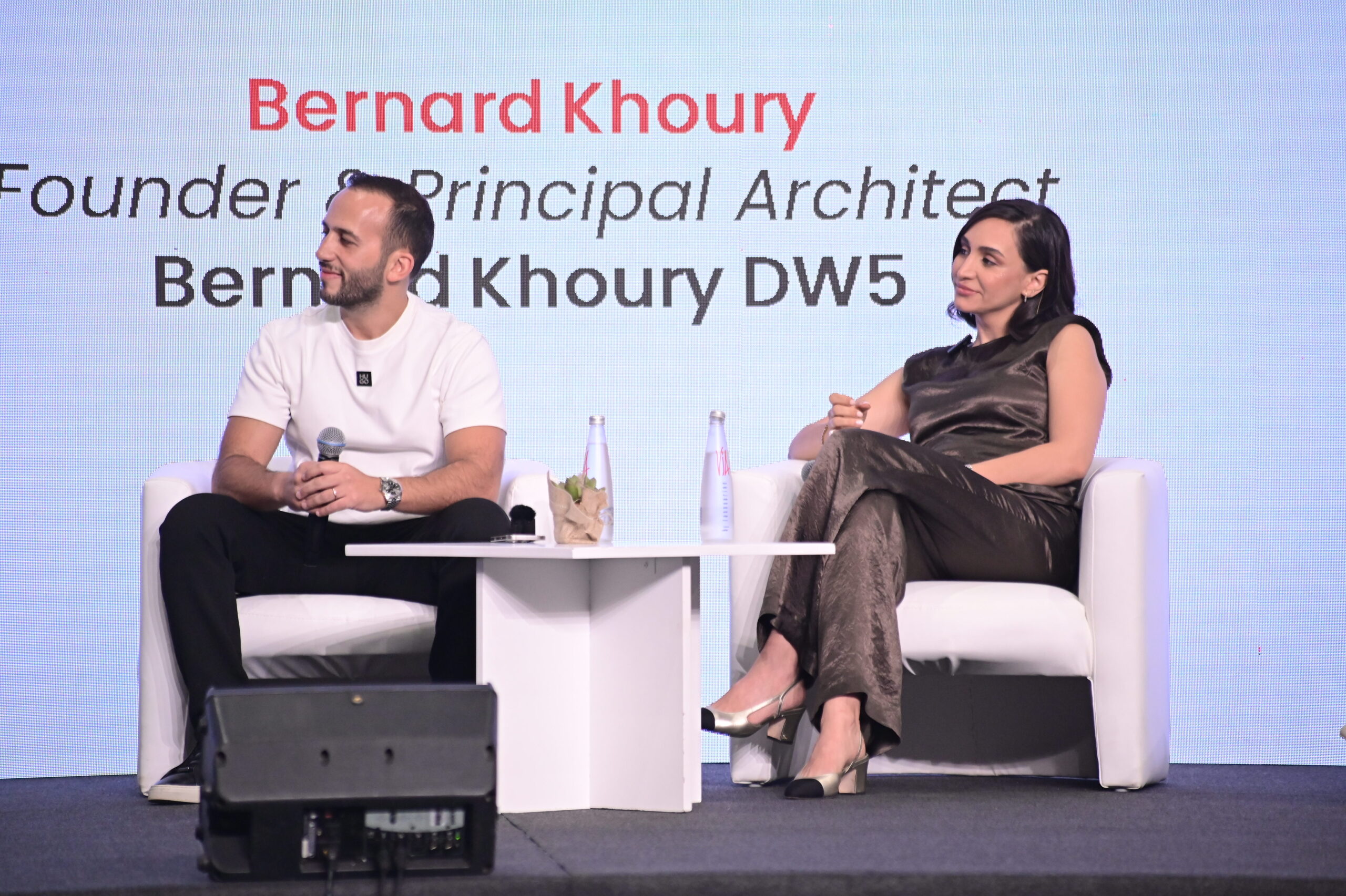
Here’s what we took away from it.
Designing for no fee, and gaining a stake
Mira opened with a question for Mohamad. People come to him for advice on design, but also on business and financials. How did he manage to succeed at both when the two are so far apart?
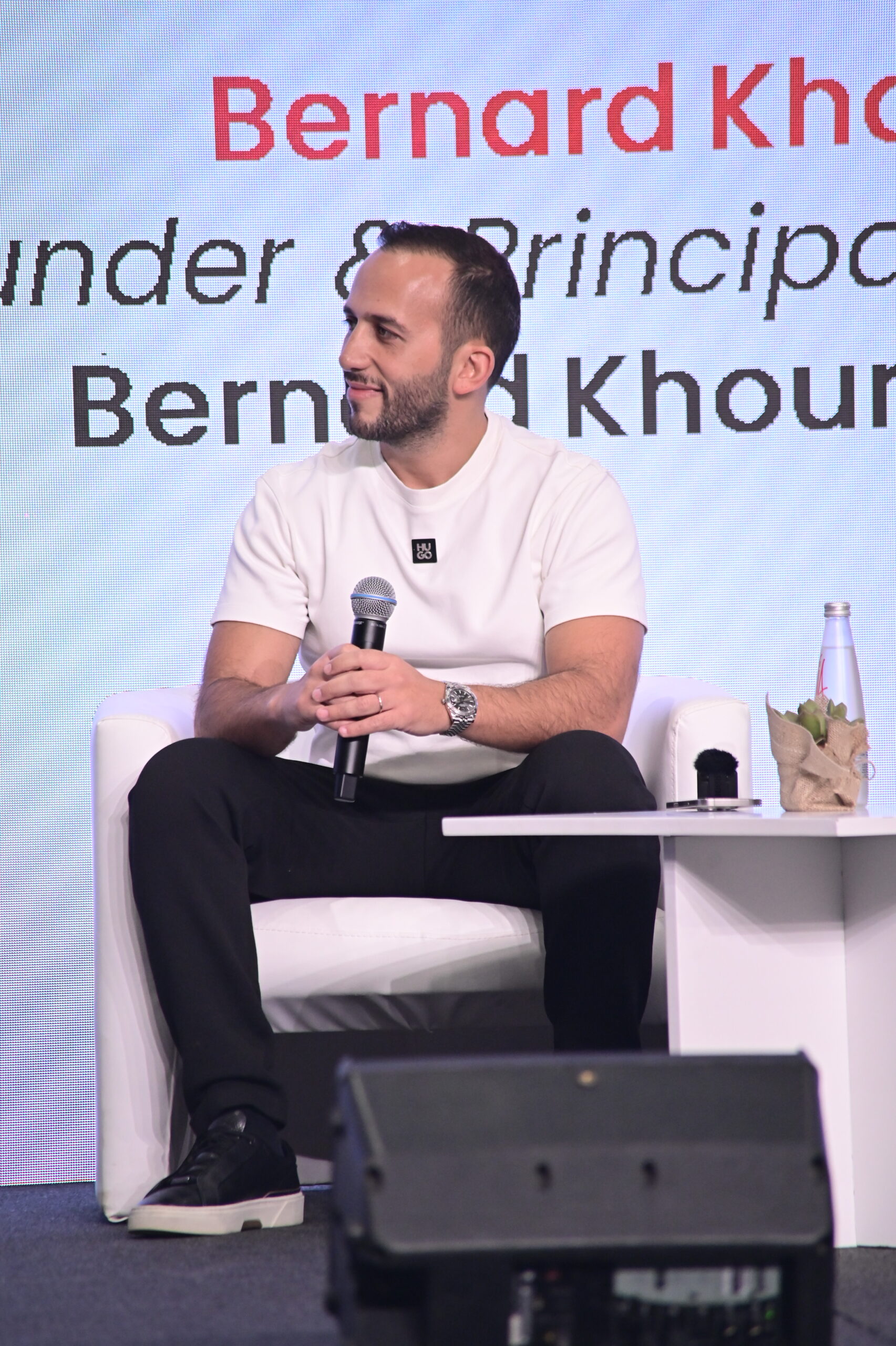
For Mohamad, the answer goes back to his very first projects. Whenever he saw a chance to learn, he designed for no fee and took shares in the business in return. That decision changed his role. It made him a partner, an investor and a concept owner, as well as a designer.
He explained that concept creation has always been his passion, and storytelling is his favourite part of it. That is where L’Art-qui-tecte was born: creating concepts while telling stories.
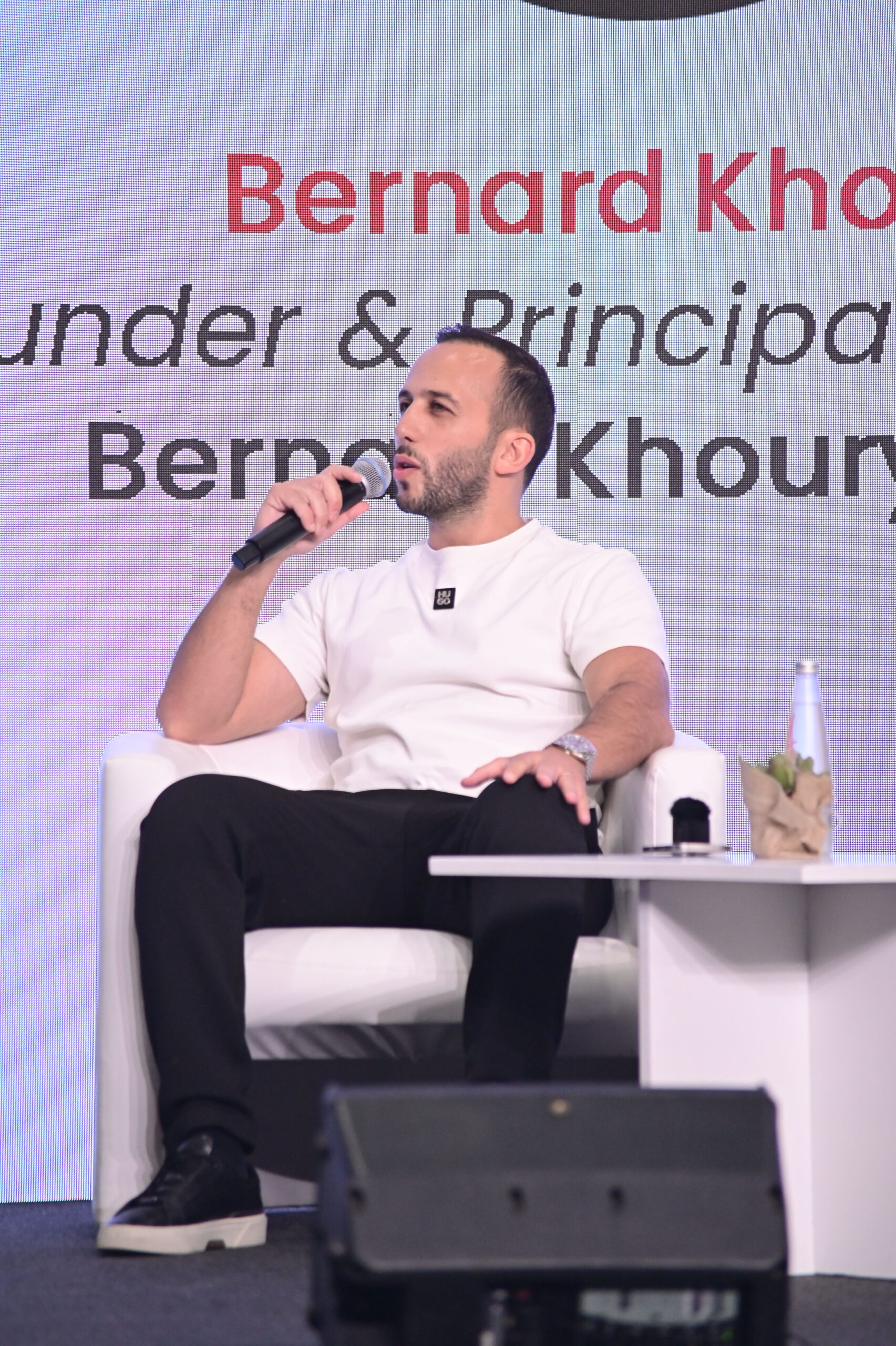
In most markets, you get competence. In Lebanon, you get obsession.
Mohamad then turned to the people on stage. Lebanon has a remarkable concentration of design talent, he said, and each person has something completely different to offer.
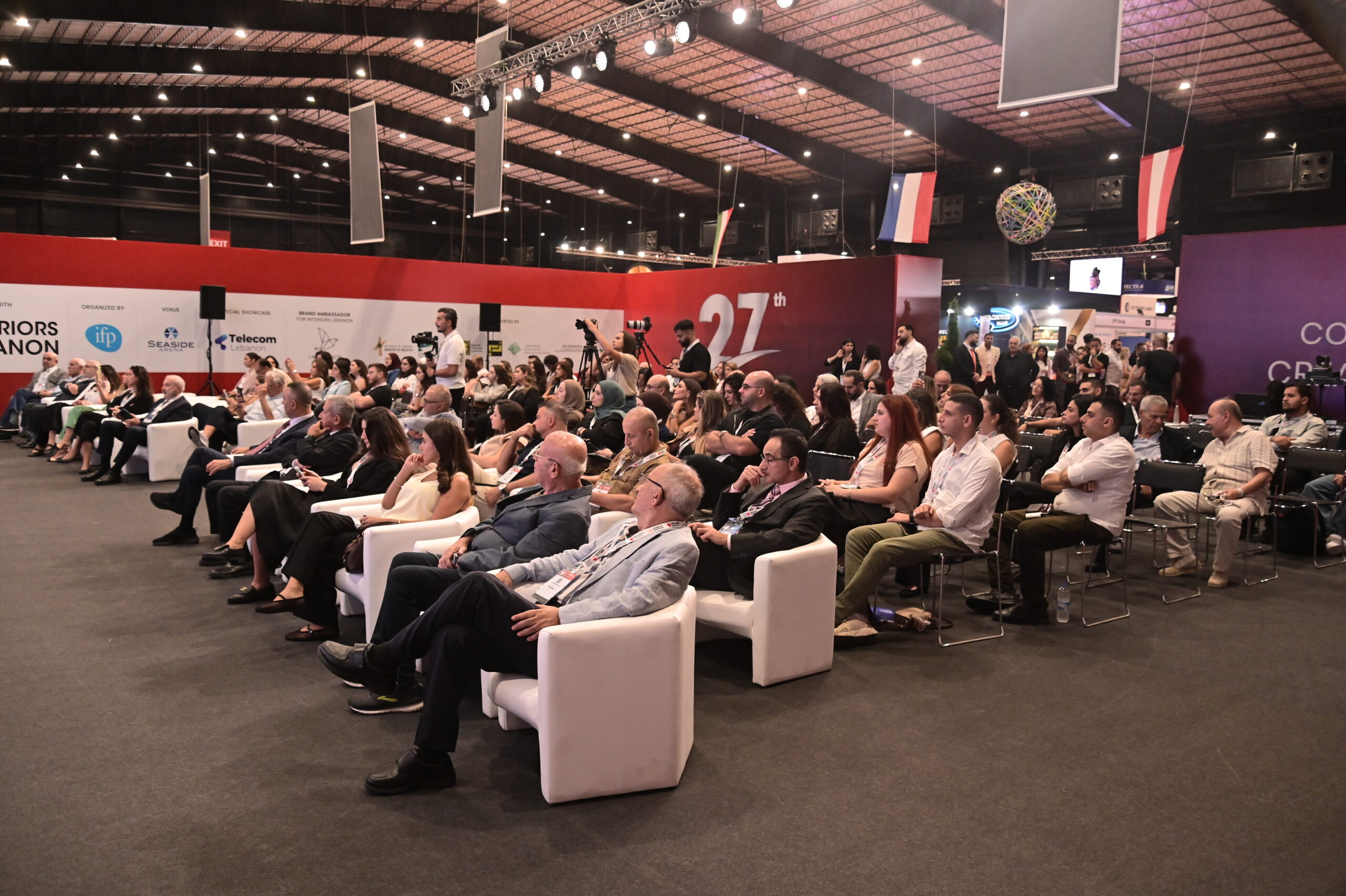
He named Bernard Khoury as one of the most talented architects the region has produced and said his strength isn’t only form. It’s the thinking underneath it. In Mohamad’s view, successful design carries philosophy, history and psychology, and that is what makes Lebanese designers stand out.
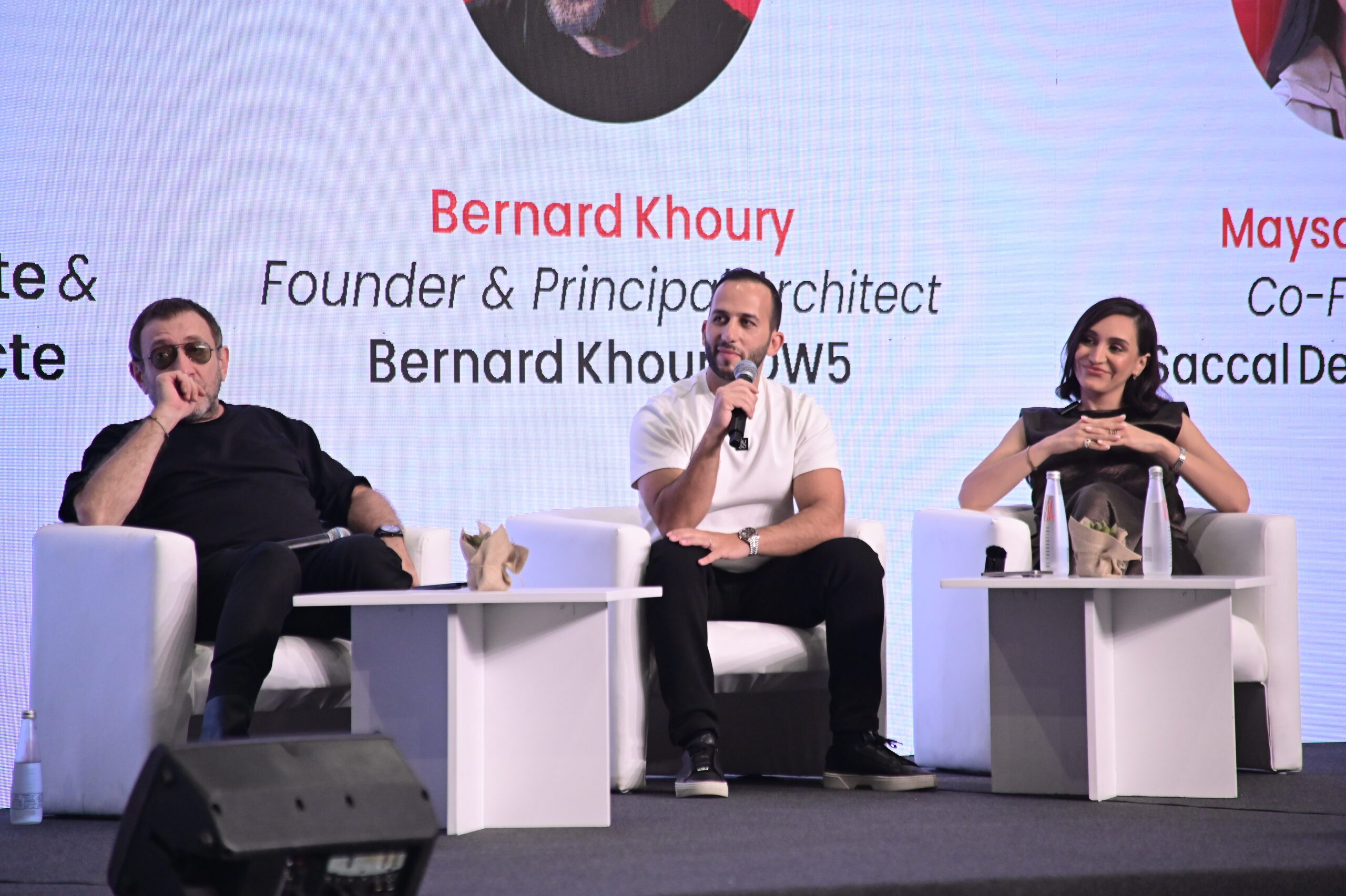
Obsession kept coming up through the talk, and for Mohamad it’s the whole foundation:
“Obsession is what made me successful, and it’s what will make you successful. You have to be obsessed with what you’re doing.”
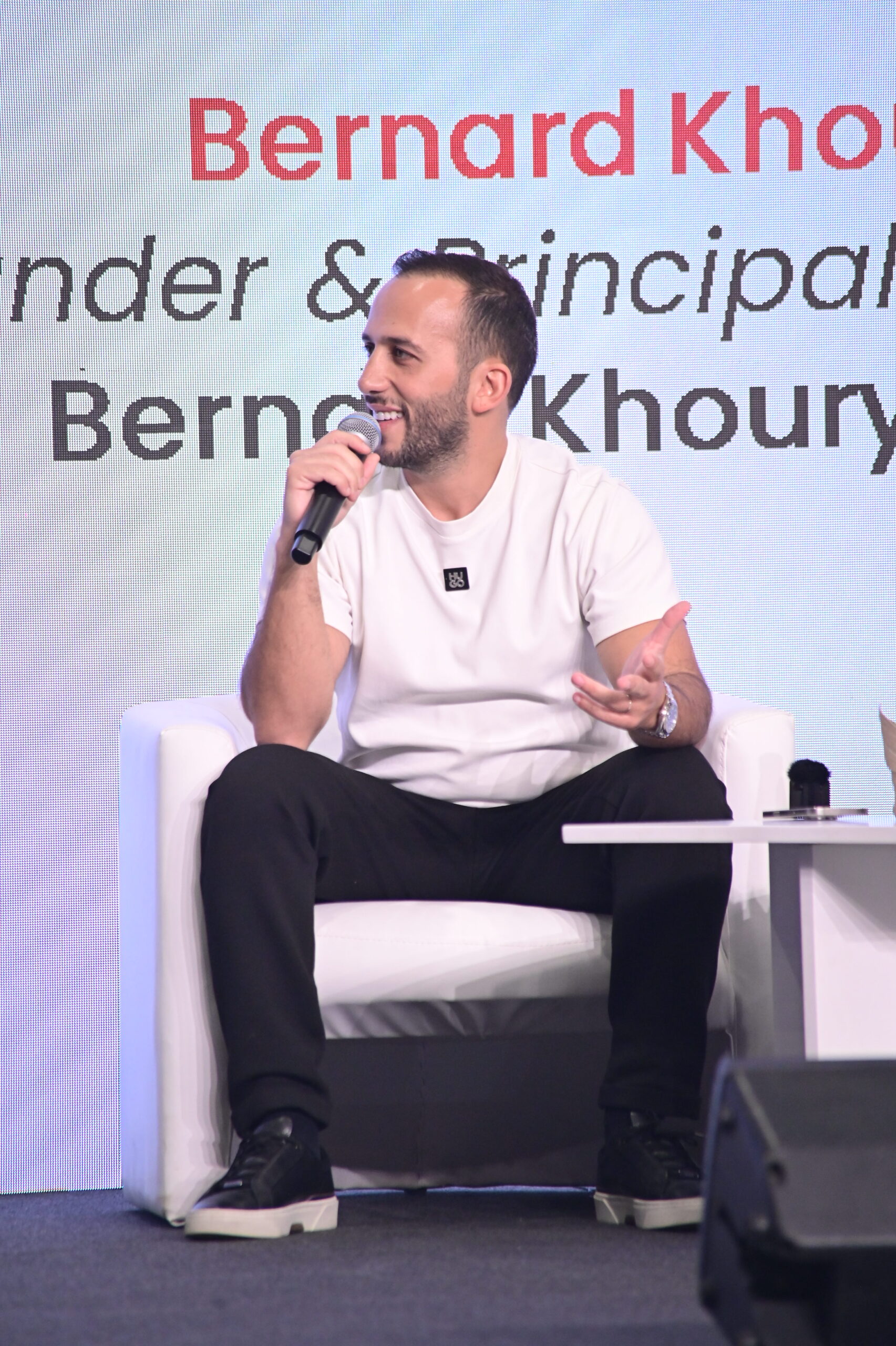
His own obsession has been making L’Art-qui-tecte’s designs creative and financially profitable at the same time. Those early business partnerships taught him how:
- How an operation actually runs
- How to read a financial sheet
- How to build an ROI
- How to think like a business owner
Most importantly, they taught him how to make money from the design itself.
Mohamad said openly that he made plenty of mistakes along the way. That learning curve is what built what he calls the magic formula: taking a business, making it profitable, and keeping the design unique and creative.
Every space tells a story, including the one you live in
Much of the conversation came back to concept-driven design, and Samar took many of those questions. For her, a story isn’t something you add to a design at the end. It’s where the design starts. Every project begins with a narrative, and every decision after that serves it.
Mira asked whether that still applies to residential work, where the client is a family, not a brand. Samar’s view is that it matters even more. A home should tell the story of the people living in it, so she studies how they live:
- Their morning routine
- Their night routine
- How they host
- How they express themselves day to day
Then she shared one of the most memorable parts of her process: she looks at how a client dresses.
“Noticing how someone dresses tells you so much about their style and how they express themselves.”
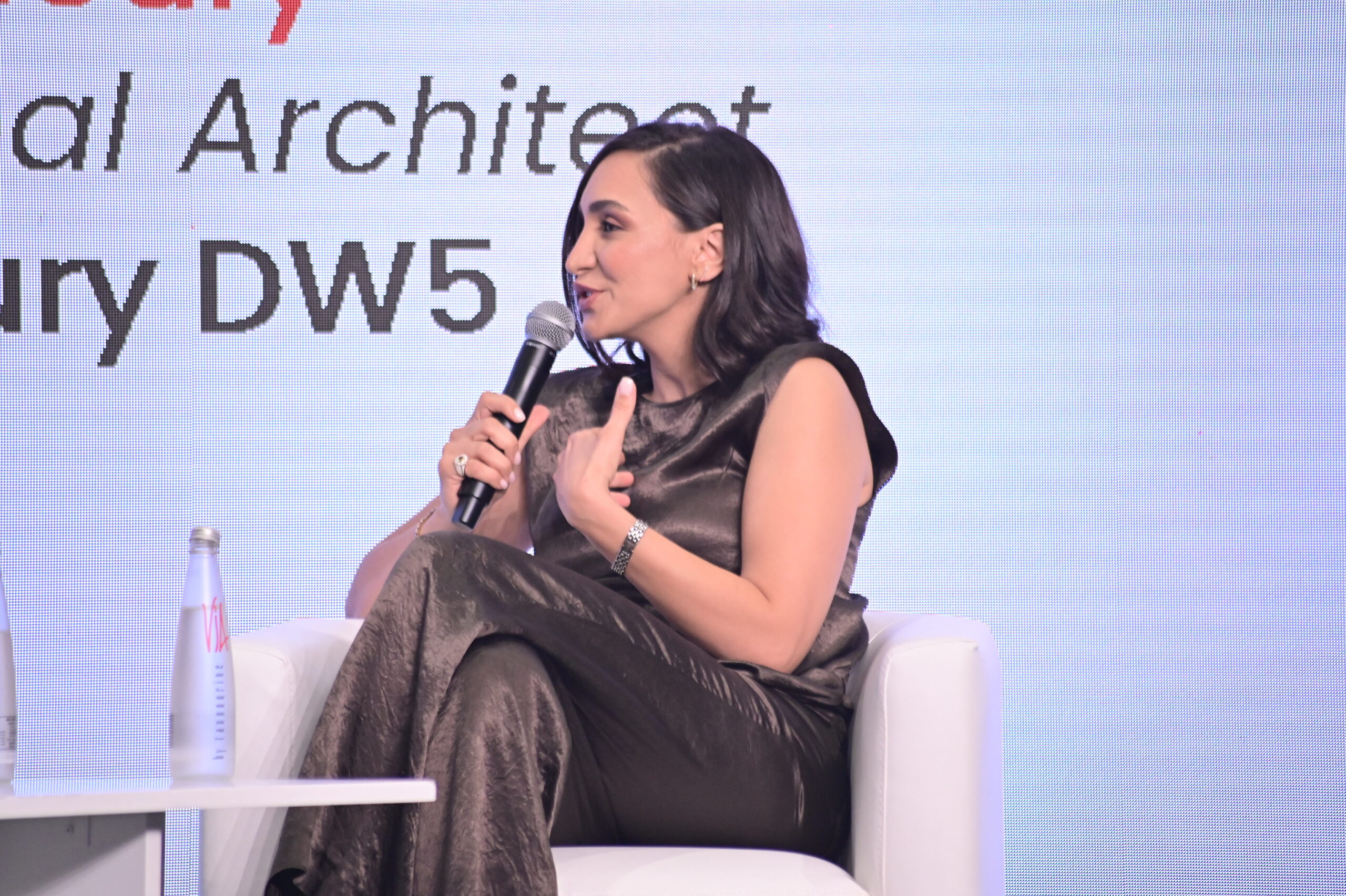
Clothing shows whether someone is a maximalist or a minimalist, whether they mix patterns, and whether they layer textures or keep things clean. Samar uses those signals to design a space that reflects who the client really is.
The goal is a home that feels like it could only belong to them.
The test: put it on a plane
Next, Mira asked Mohamad how you know a concept will work before it’s built, and before it leaves the country.
His test is simple: put it on a plane. As design partner of record for Dip N Dip, L’Art-qui-tecte has rolled out the same concept in six countries, and Zaatar W Zeit in three. Each has different cities, customers, codes, and operators who have never met.
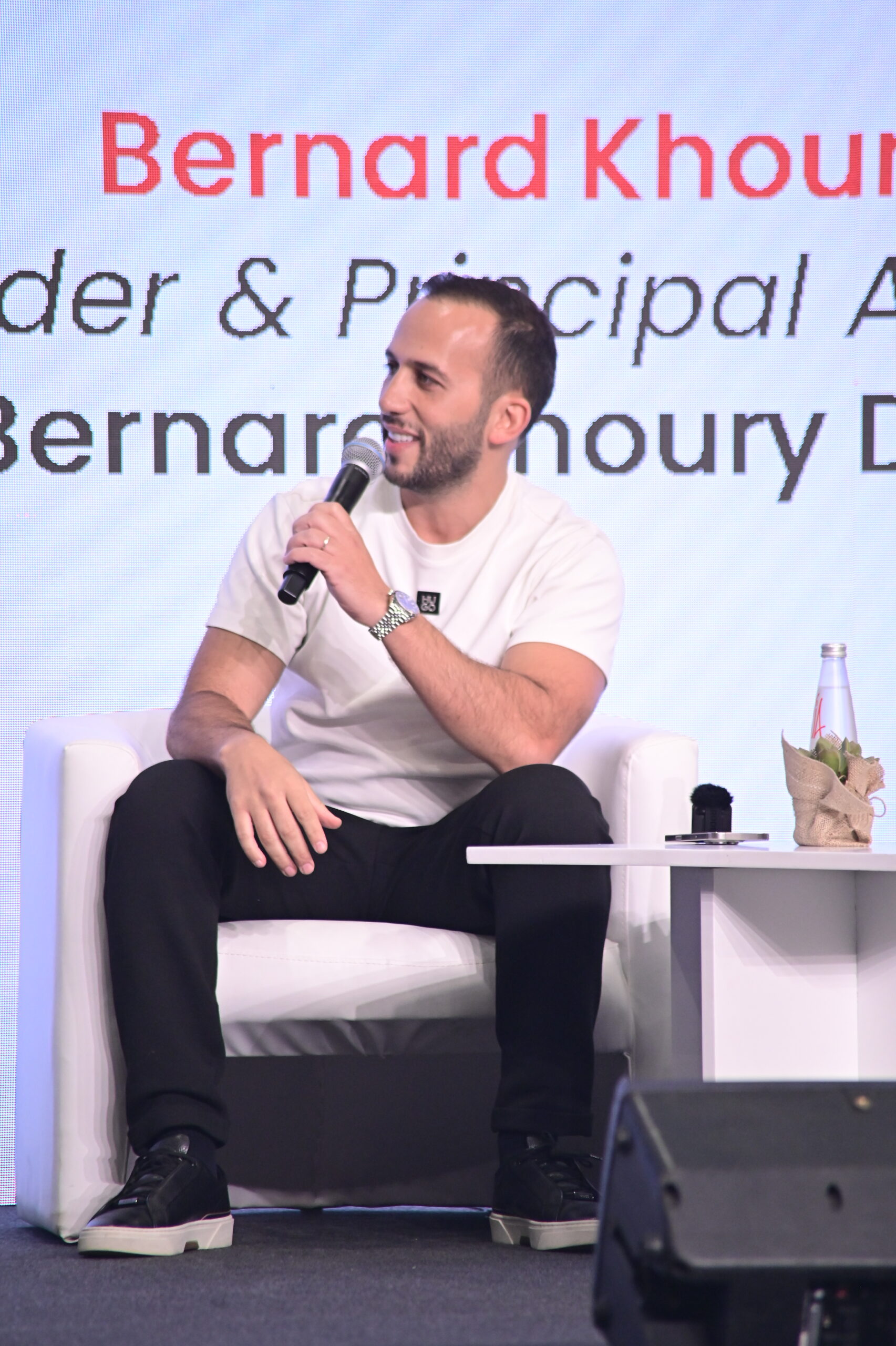
“A decoration dies at the border. A concept travels.”
According to Mohamad, what makes a concept travel isn’t its look. It has a thesis rather than a style, and it survives the operator. In the end it will be run by a 23-year-old on a Tuesday night in a city you’ve never visited. If it only works when it’s perfectly maintained, you’ve designed a photograph, not a concept.
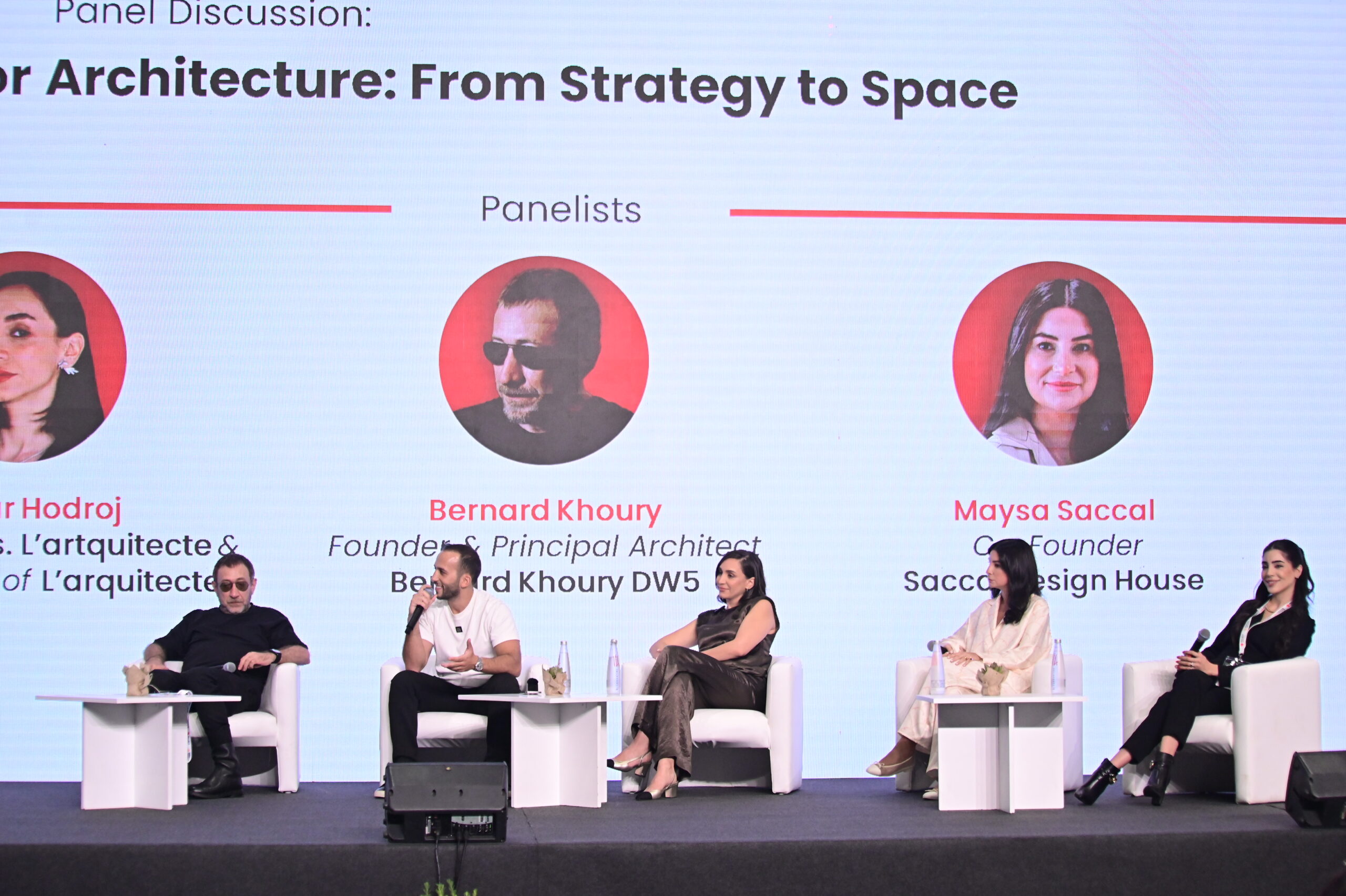
Mira followed up: if the concept adapts from country to country, how does it keep the same language? Mohamad’s answer:
“I make sure that they are cousins, not twins.”
Each location keeps the same design language, but none of them is an exact copy, because each one serves a different customer base. Sometimes that means a different generation: in one country the brand speaks more to Gen Z, and in another to millennials. Each space adapts to the people it serves while staying clearly part of the same family.
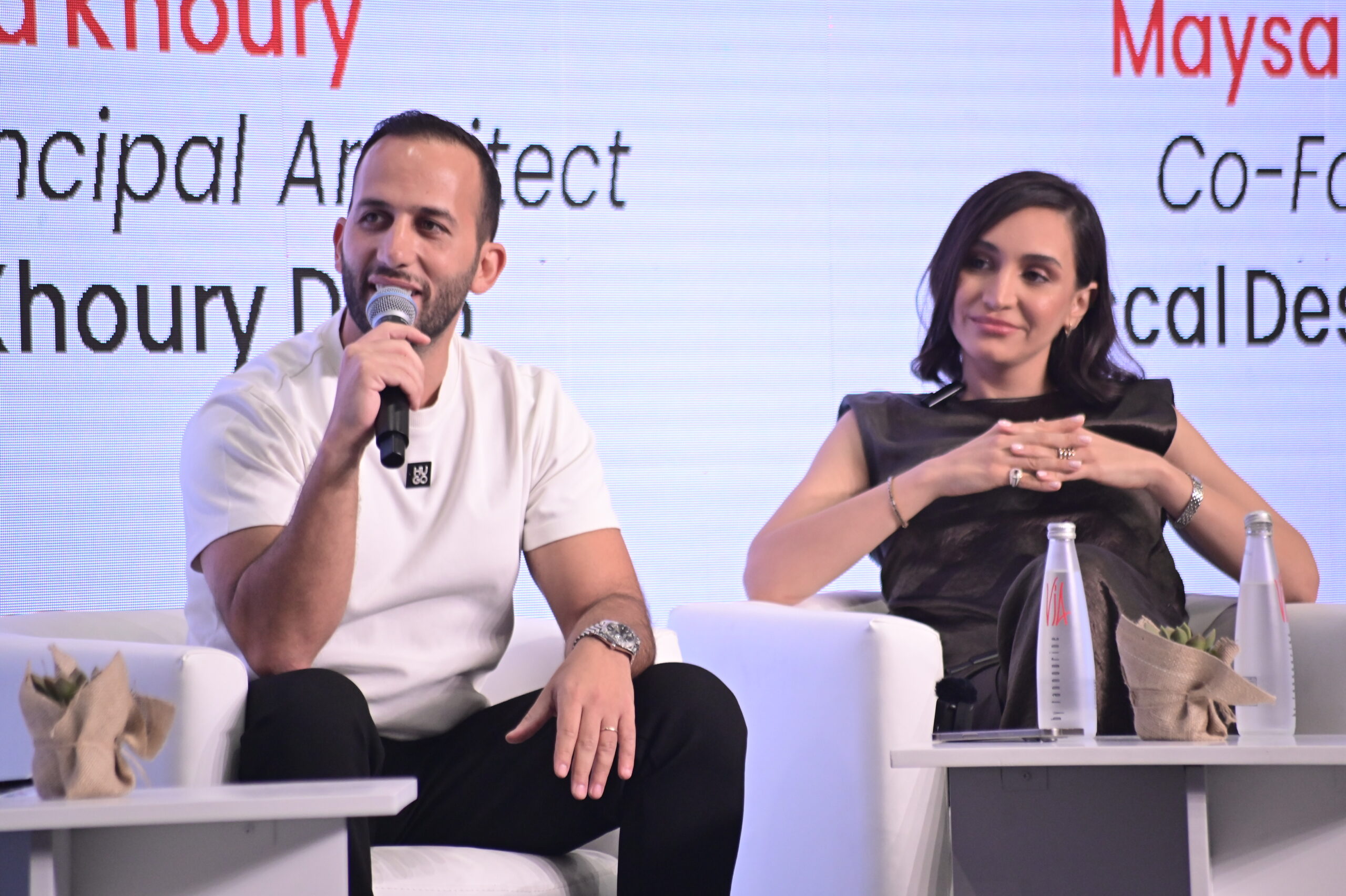
Where we compromise, and where we don’t
When Mira asked whether commercial pressure had ever forced him to compromise on a concept, Mohamad was candid.
Early on, yes, because he defended the concept by defending the drawing: the exact detail, the exact material. Over time he learned that a concept doesn’t live in the line. It lives in the effect. There are usually four ways to reach the same effect, and three of them cost less than the one on paper.
So he’ll give up a material or a detail. He won’t give up the sequence, meaning the order in which a guest feels things. Once that’s flattened, it’s no longer value engineering. It’s a different project.
Advice for the next generation
To close, Mira asked both founders what advice they would give younger designers.
Mohamad started with this: find your niche, the one thing that’s actually yours, and don’t try to be good at everything. He pointed to the panel itself. Every person on that stage was exceptional at one thing and completely different from the person beside them. That isn’t a limitation. It’s the reason they stand out.
His advice to the next generation came down to three things:
“Be obsessed, be passionate, and most importantly, have fun.”
For Samar, the challenge for the next generation is that everyone now draws from the same sources of inspiration: Pinterest, Instagram, AI. That makes it more important than ever to give every space its own identity, to put your own touch as a designer on it and make it stand out. A space needs a soul.
As she put it, the architecture of a space gives you its structure, and research gives you inspiration. What matters most is still the concept you create.
652 projects, 20 countries, 14 years, and the obsession is still the same.
Thank you to Interiors Lebanon 2026, to Mira Abou Jaoude, and to our fellow panelists Bernard Khoury, Maysa Saccal and Vanessa Rabbat Mansour for the conversation.